
1
No Poverty
Higher smallholder productivity and resilience — with additional revenue streams from conserved water and increased yield.

Climate resilience and grower economics shouldn't be in conflict. WaterPearls deliver both — measurable water savings, healthier soil, lower energy use, and direct alignment with five UN Sustainable Development Goals.
Every WaterPearls deployment contributes — measurably — to global sustainability targets adopted by 193 UN member states.
Higher smallholder productivity and resilience — with additional revenue streams from conserved water and increased yield.
Higher yields per drop on the same land base. More food from the same water budget, in regions where every litre counts.
Direct reduction in agricultural water demand — the largest consumer of fresh water globally — frees supply for drinking and sanitation uses.
Training and skills development are core to each deployment — local economic development and employment alongside the water savings.
Smallholder farmers and local communities gain the skills and technology to raise their earnings and quality of life.
Less drought-induced damage, lower energy use through decentralisation, and stronger urban resilience to climate-related drought.
One application, 50-year lifespan, organic compounds, UV-biodegradable end-of-life. Designed for circular use.
Less energy spent pumping water that would otherwise evaporate — avoided emissions on carbon-intensive grids. More resilient crops in heat events.
Healthier soil moisture profile, reduced erosion, lower input of pesticides and herbicides — measurable improvements in soil biology.
RHST's Water Impact Report — prepared by Oxia Initiative on the principles of the Water Footprint Assessment Manual and the ISO 14044, ISO 14064-2 and ISO 14046 standards, endorsed and financed by AquaAction.
In December 2024, AquaAction recognized RHST WaterPearls as a leading water-saving technology on the strength of that report.
Projection based on RHST's sales forecast versus an organic-mulch baseline — Water Impact Report summary, Oxia Initiative, October 2024.
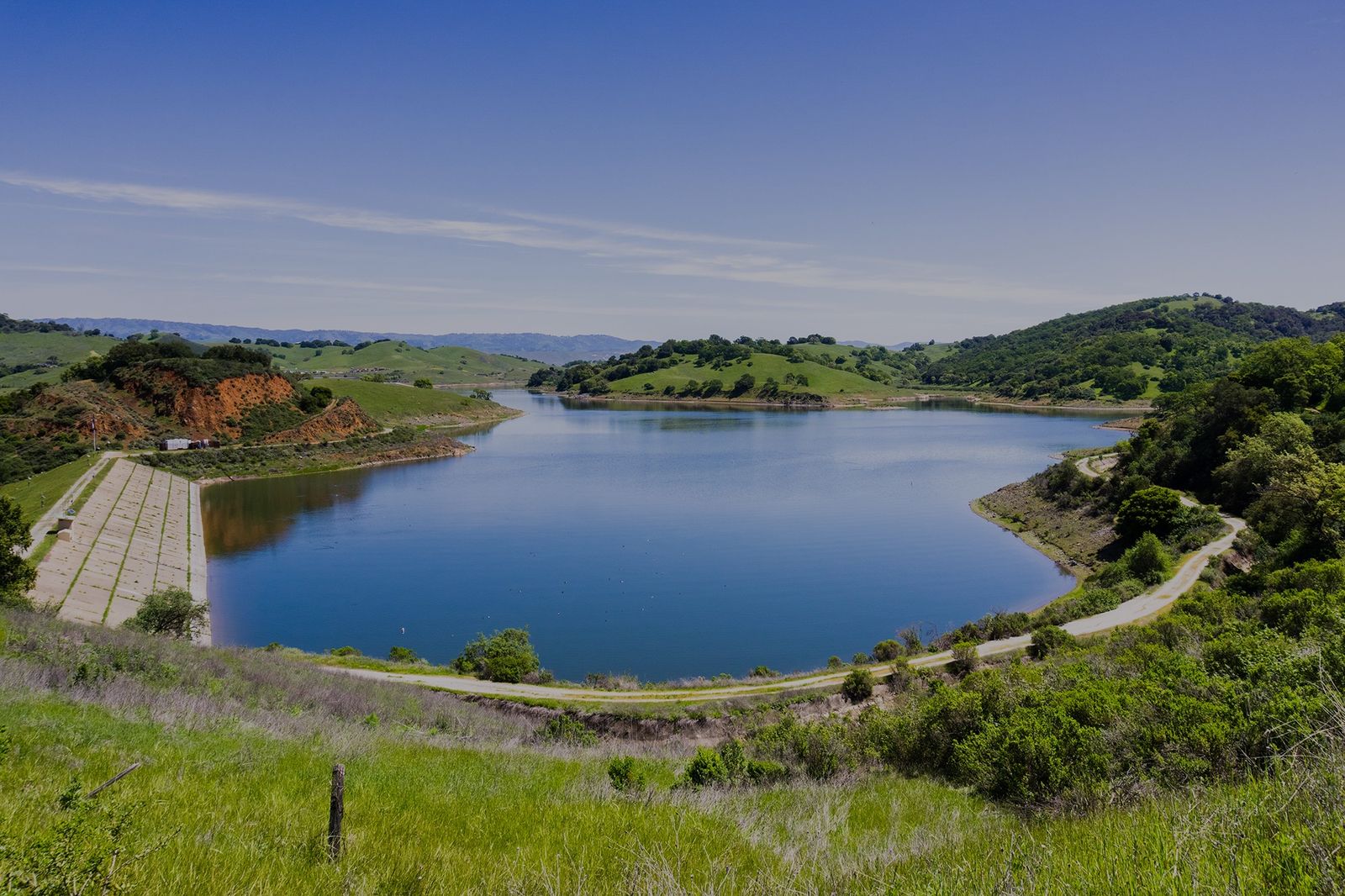
Measurable savings, from orchards to reservoirs.
Up to 25–50% of irrigation water is lost to evaporation (UN FAO) — water that never reaches the roots. WaterPearls return that loss to the root zone.
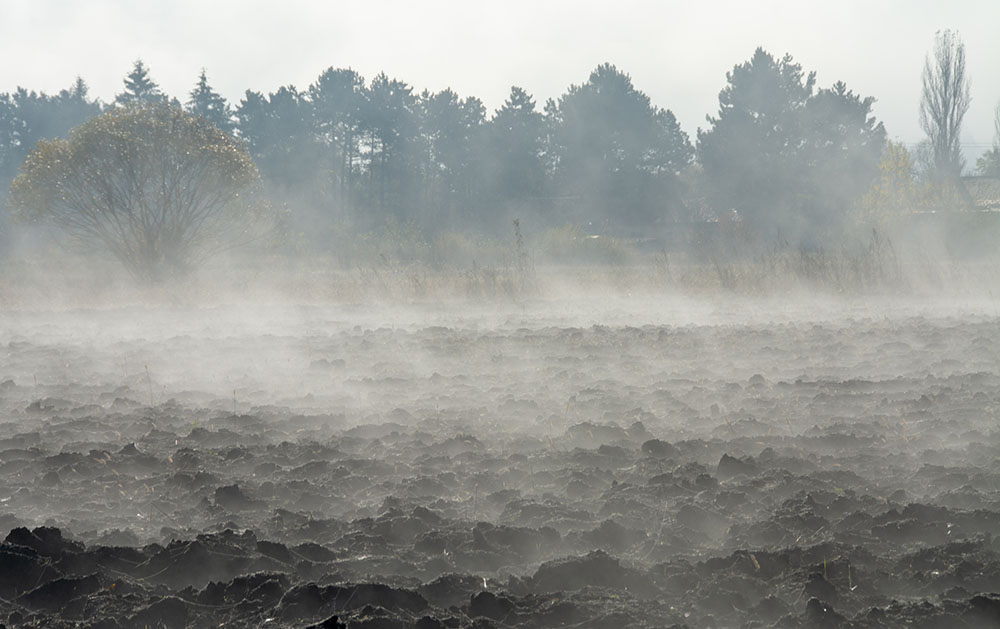
Field trials run with universities and research institutes evaluating water-stressed agriculture.
Deployments run with the growers and operators who host them in the field.
Trial projects in China, South Africa, Jordan, USA, Canada, underway since 2016.